The Environmental Impact of IT Asset Disposition and How Schools Can Make a Difference
In today's rapidly evolving technological landscape, schools are continually upgrading their IT equipment to stay current. However, the disposal of outdated or broken IT assets poses a significant environmental challenge. Understanding the impact of IT asset disposition (ITAD) and exploring ways schools can contribute to more sustainable practices is crucial.
The Environmental Challenges of IT Asset Disposition
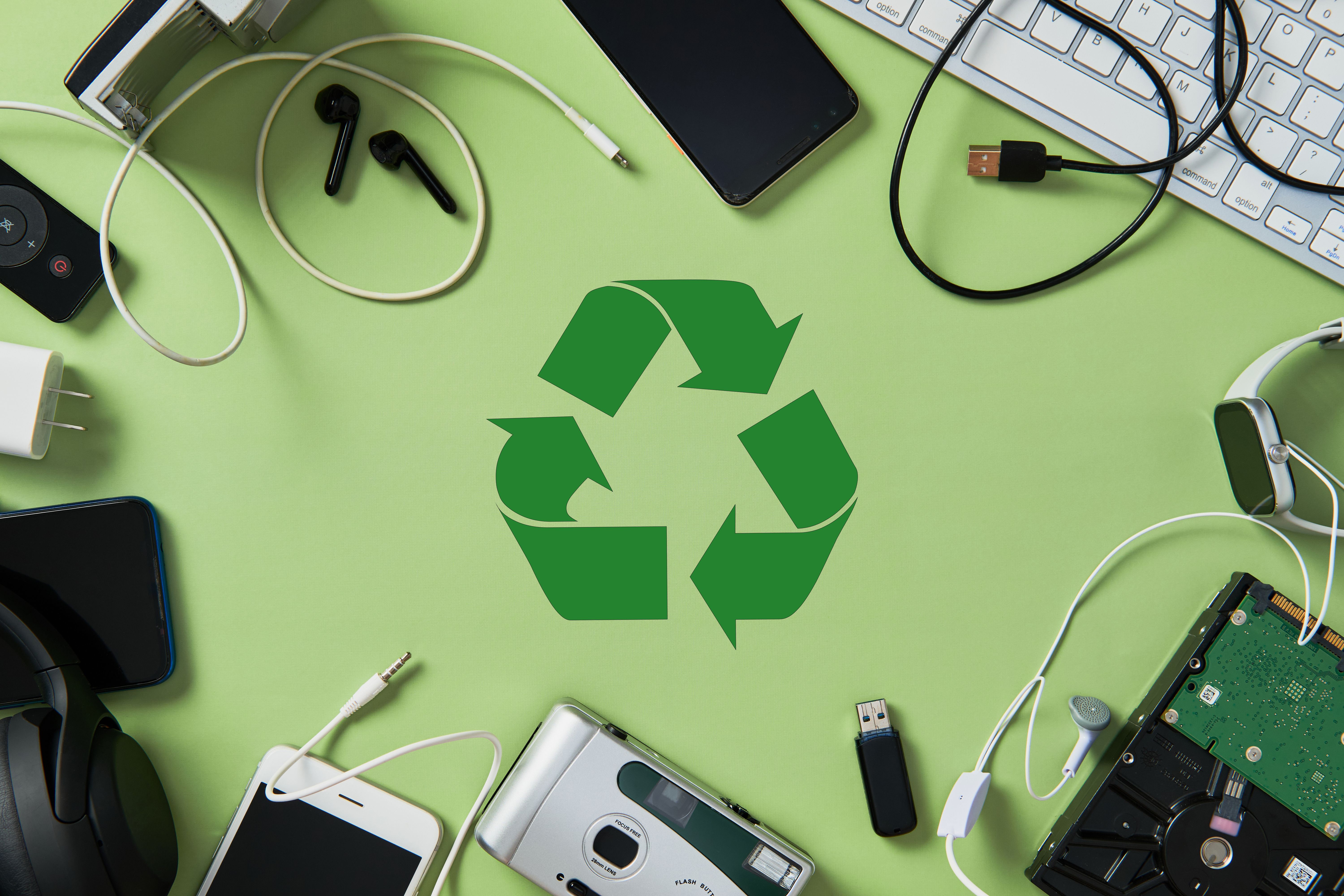
Electronic waste, or e-waste, is one of the fastest-growing waste streams globally. Improper disposal of IT assets can lead to harmful substances like lead and mercury leaching into the environment. These toxic materials can contaminate soil and water, posing severe health risks to humans and wildlife.
Moreover, e-waste contributes to the depletion of natural resources. Many electronic devices contain rare metals that require extensive mining, leading to habitat destruction and increased carbon emissions. By addressing the environmental impact of ITAD, schools can play a vital role in reducing these detrimental effects.
Implementing Responsible ITAD Practices
Schools can adopt several strategies to manage their IT assets responsibly. Here are some effective practices:
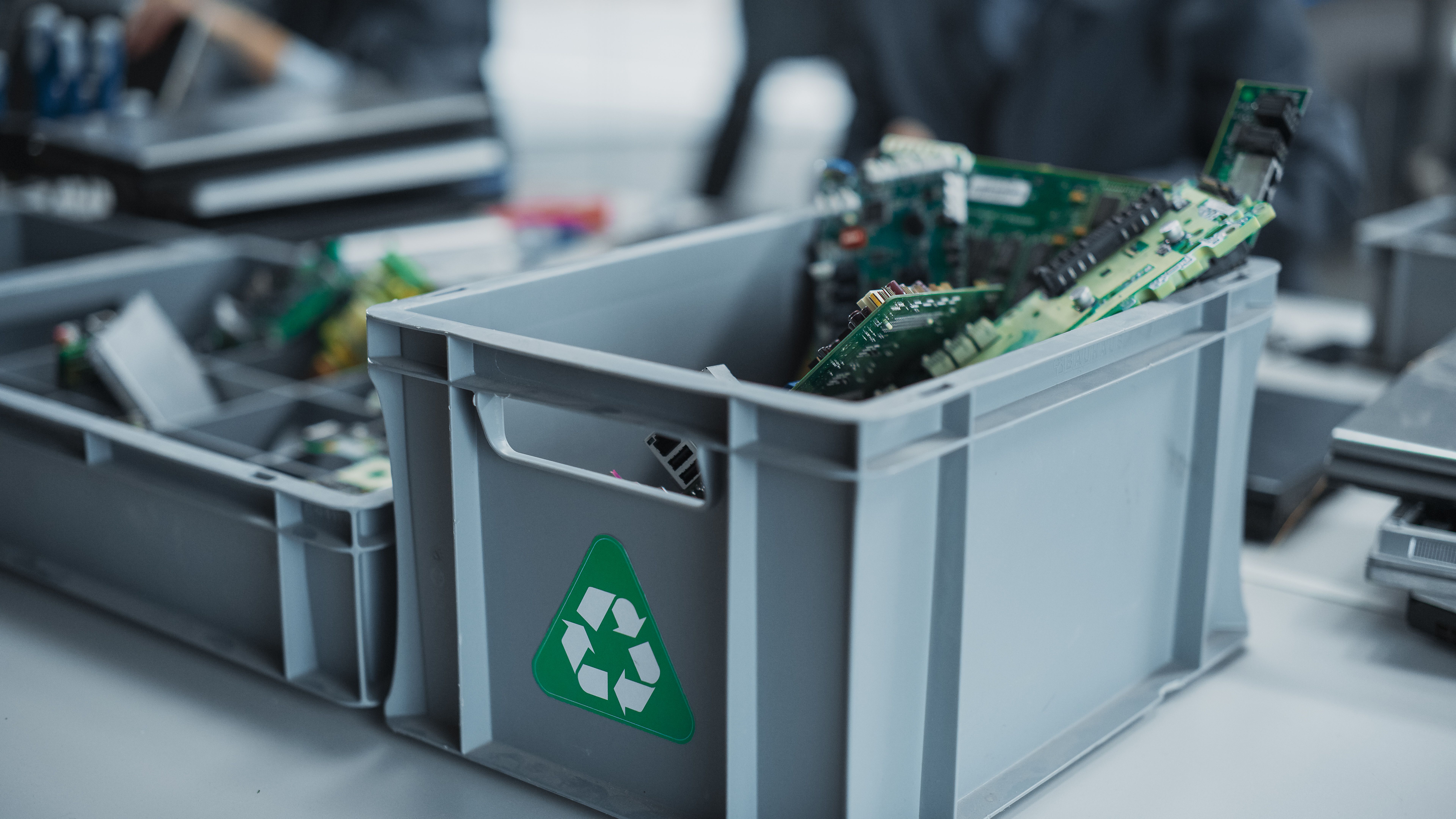
- Recycling Programs: Partner with certified e-waste recyclers to ensure that disposed electronics are processed safely and sustainably.
- Donation and Reuse: Consider donating functioning equipment to schools or organizations in need, extending the life of the devices.
- Trade-In Programs: Leverage trade-in programs offered by manufacturers, which often provide incentives for returning old devices.
Educational Initiatives for Sustainable IT Management
Educating students and staff about the importance of sustainable IT management is another significant step schools can take. By integrating environmental education into the curriculum, schools can foster a culture of sustainability. Teaching students about the life cycle of electronics and the importance of reducing e-waste can empower them to make informed decisions.
In addition, schools can organize workshops and events focused on digital sustainability. These initiatives can raise awareness and encourage the entire community to participate in responsible IT asset disposition.
Collaborating with the Community
Collaboration with local communities and businesses can amplify the impact of a school's ITAD efforts. Establishing partnerships with local e-waste recyclers, environmental groups, and tech companies can provide valuable resources and support. Community-based recycling drives or e-waste collection events can also be effective in engaging a wider audience.

The Role of Policy and Regulation
Advocating for stronger policies and regulations around e-waste management is another way schools can contribute to environmental sustainability. By supporting legislation that mandates responsible ITAD practices, schools can help drive systemic change.
Schools can also align their policies with international standards and certifications, ensuring that their ITAD processes are transparent and environmentally friendly.
Conclusion: Schools as Agents of Change
By implementing responsible IT asset disposition practices, schools not only minimize their environmental footprint but also set an example for students and the community. Through education, collaboration, and advocacy, schools can make a significant difference in promoting a sustainable future.